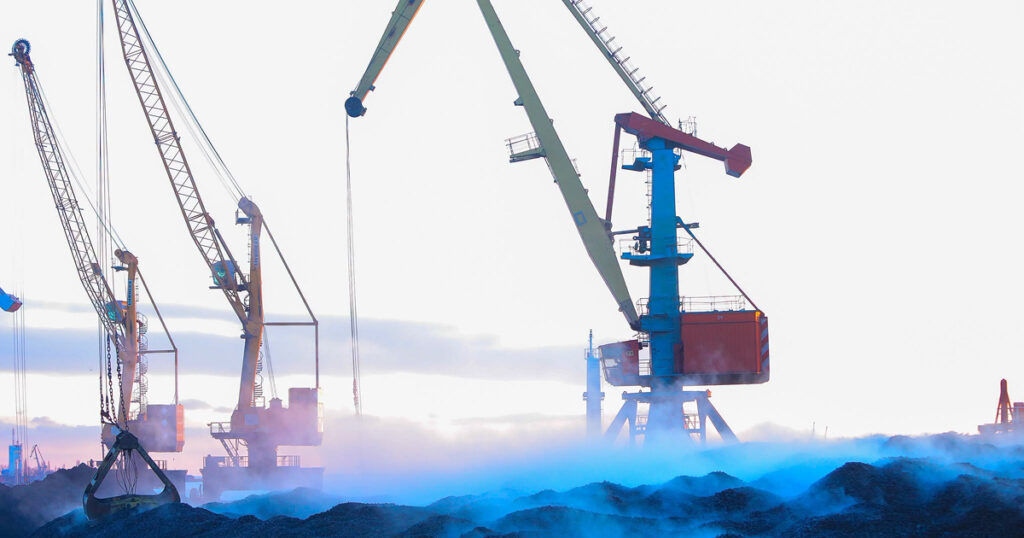
𝗕𝗹𝗮𝗰𝗸 𝗦𝗲𝗮 𝗗𝗮𝗻𝗴𝗲𝗿
The Black Sea has overtaken the Persian Gulf as the world’s most dangerous shipping route, with more than 570 vessels hit this year and at least 40 civilian seafarers killed.
According to reporting based on Ambrey and IMO data, around 387 vessels were attacked between July and September, more than five times the previous quarter, averaging over four attacks per day!
Russia was responsible for roughly 90% of strikes on shipping over the past month and a half, while Ukraine’s campaign against Russia’s “shadow fleet” has also intensified the risk environment.
The consequences are now visible in trade flows. Greater Odesa handled fewer than 10 vessels last month, down from almost 400 in July. While war-risk insurance has been extended across the Black Sea, reaching 15% of hull value, nearly double comparable Persian Gulf rates.
Australia is not directly exposed to Black Sea transits in the way European traders are. But the flow-on effects matter:
• 𝗦𝘁𝗲𝗲𝗹 𝗮𝗻𝗱 𝗯𝘂𝗹𝗸 𝗰𝗼𝗺𝗺𝗼𝗱𝗶𝘁𝘆 𝗽𝗿𝗶𝗰𝗶𝗻𝗴: Ukraine’s Black Sea ports carried 50% of its steel exports, 95% of pig iron exports and 50% of iron ore exports in the first half of 2026. Disruption affects global availability, pricing and sourcing decisions for steel-linked supply chains.
• 𝗜𝗻𝘀𝘂𝗿𝗮𝗻𝗰𝗲 𝗮𝗻𝗱 𝗿𝗶𝘀𝗸 𝗽𝗿𝗶𝗰𝗶𝗻𝗴: When war-risk premiums rise, underwriters reassess exposure more broadly. Australian cargo owners may see tighter scrutiny, additional premiums, or routing restrictions on certain trades.
• 𝗩𝗲𝘀𝘀𝗲𝗹 𝗮𝗻𝗱 𝗰𝗮𝗽𝗮𝗰𝗶𝘁𝘆 𝗲𝗳𝗳𝗲𝗰𝘁𝘀: Attacks, detours, port closures and crew-safety concerns reduce effective vessel capacity. Even if Australia’s trade lanes are unaffected, global tonnage can move toward safer, higher-paying routes.
• 𝗦𝗲𝗮𝗳𝗮𝗿𝗲𝗿 𝘄𝗲𝗹𝗳𝗮𝗿𝗲: More than 40 seafarers have reportedly died in Black Sea incidents this year. Behind every movement are crews facing real risk.
For Australian businesses, it is important to keep the below in mind…
• Review supplier origins and alternative sourcing options for steel, machinery, fertiliser, grain-linked inputs and other commodities exposed to Eastern European trade.
• Ask your forwarder early about war-risk clauses, routing changes, transhipment options and insurance exclusions.
• Build longer lead times into contracts where cargo may transit higher-risk regions or depend on constrained vessel capacity.
• Treat geopolitical disruption as a recurring operating condition, not a one-off event.
This shows how regional conflict can become a global logistics issue. For Australia, resilience means knowing where cargo originates, how it moves, who carries the risk, and having options before disruption forces the decision.
If you have any questions about your freight, please do not hesitate to contact us, we are always happy to chat.
and reference https://gmk.center/en/news/black-sea-has-become-the-world-s-most-dangerous-shipping-route-ft/amp/