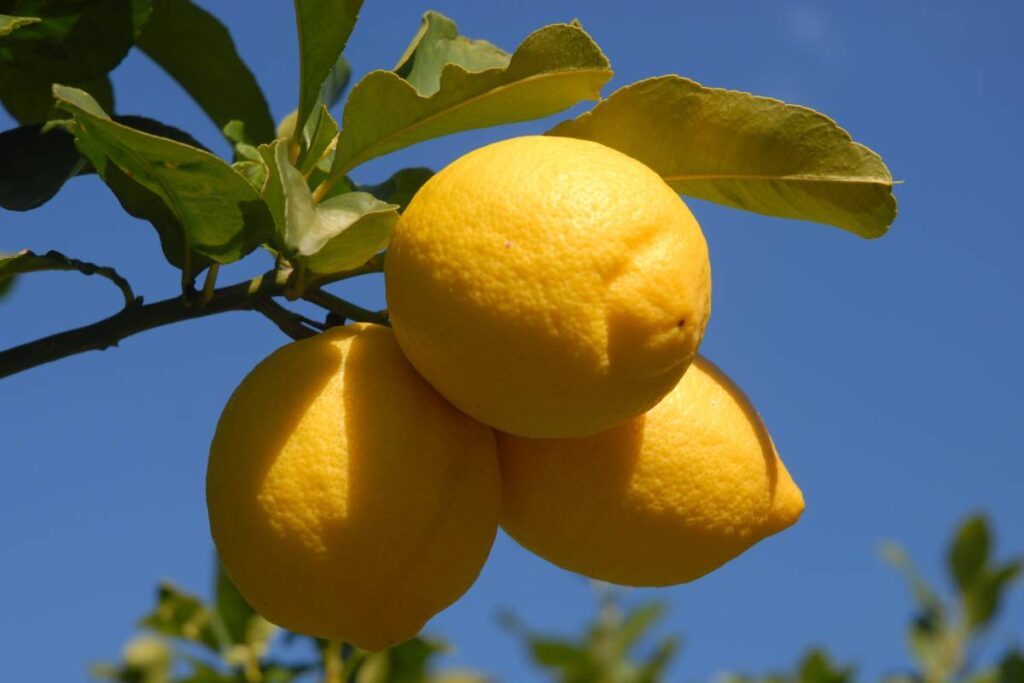
🍋 𝗞𝗼𝗿𝗲𝗮 𝗥𝗲𝗺𝗼𝘃𝗲𝘀 𝗣𝗿𝗲-𝗰𝗹𝗲𝗮𝗿𝗮𝗻𝗰𝗲 𝗜𝗻𝘀𝗽𝗲𝗰𝘁𝗶𝗼𝗻𝘀 𝗙𝗼𝗿 𝗔𝘂𝘀𝘁𝗿𝗮𝗹𝗶𝗮𝗻 𝗟𝗲𝗺𝗼𝗻𝘀 🍋
South Korea has removed its long-standing requirement for Korean quarantine officers to inspect Australian lemons in Australia before export, a practical but important win for Australian citrus exporters.
Under the revised import requirements finalised by Korea’s Animal and Plant Quarantine Agency, pre-clearance inspections will no longer be required for lemons exported via the in-transit cold treatment pathway.
Korea’s biosecurity protections will instead be maintained through existing export certification and compliance arrangements.
For fresh-produce exporters, pre-clearance requirements create more than paperwork. They affect inspection scheduling, packhouse planning, port coordination and the ability to respond quickly to market opportunities.
Removing this step should reduce cost and administrative burden, while giving growers and export facilities greater flexibility in how they access the Korean market.
The change also has a geographic dimension: Queensland lemon growers and packers can now access Korea for the first time. For growers and packhouses already registered for Korea, the revised arrangements take immediate effect; Queensland operators applying for 2026-season registration will receive updated accreditation.
Australian lemon exports to Korea have grown from A$295,000 in 2021–22 to A$1.78 million in 2025–26, roughly a sixfold increase in nominal export value over five seasons.
That growth reflects more than market access alone. It depends on fruit quality, seasonal supply, cold-chain reliability, freight capacity, pricing and Korea’s demand for imported citrus. But removing an inspection bottleneck removes one more barrier to scaling the trade.
Be warned, this is not a removal of biosecurity controls. Existing export certification and compliance arrangements remain central to the arrangement.
Exporters should still confirm:
• Registration and eligibility of the farm and packhouse
• The applicable cold-treatment pathway
• Phytosanitary certification requirements
• Current DAFF export conditions before booking shipments
Korea’s decision is part of a broader push to improve market access for Australian horticulture. The Australian Government says it has secured more than 285 market-access improvements, including opportunities for products such as blueberries, apples and organic produce in markets including Vietnam, Indonesia, Canada and India.
For Australian citrus, regulatory access, operational execution and reliable logistics all need to work together. A simpler inspection process is welcome, but the exporters who convert it into growth will be those with strong cold-chain planning, compliant documentation and dependable freight partners.
📸 and reference FreshFruitPortal.com