
A Looming Threat to Global Supply Chains: US Port Strike Looms Large
The recent port strike in the US, initiated by the International Longshoremen’s Association (ILA), have already caused significant disruptions to global supply chains. Businesses involved in import/export operations with the US, especially those reliant on sea freight, have faced delays, increased costs, and potential shortages of goods.
The situation has become more complex with the recent involvement of President-elect Trump, who voiced support for the ILA’s position on automation. Specifically, the ILA opposes automation that threatens to significantly reduce jobs for its members. This has further strained the negotiations between the ILA and the United States Maritime Alliance (USMX), who emphasise the need for modernization and technology to improve safety and efficiency.
As the ILA and USMX remain unable to reach an agreement, consequently, the threat of further strikes, including a potential one in January 2025, looms large. This ongoing labor dispute, with its increased risk of a strike, could have far-reaching economic consequences, therefore, affecting businesses across various sectors. So this article will delve into the root causes of the dispute, the specific ports at risk, and the different viewpoints on automation. Moreover, we will list the types of goods that could be affected by this potential labor disruption.
Understanding the Dispute
What is Causing the Port Strike?
- Disagreements Over Automation. Firstly, The ILA’s opposition to automation was a significant point of contention. The union fears that increased automation could lead to job losses and reduced worker benefits. As a result they are advocating for policies that protect workers’ rights in the face of automation. Additionally ILA ensure a just transition to a more automated future.
- Automation vs. Workers’ Rights. Secondly, Automation vs. Workers’ Rights reflects a broader societal debate about the balance between technological advancement and worker protection. The ILA is advocating for policies that safeguard workers’ rights in the face of automation.
- Union Demands for Better Conditions. Thirdly, the International Longshoremen’s Association is seeking significant wage increases and improved working conditions for its members. While specific figures vary across reports, the union is aiming for a substantial raise, potentially exceeding 70% over a six-year contract. Overall this demand highlights the ILA’s position on inadequate compensation for workers. In particular, they point to the challenging nature of their jobs and the rising cost of living.
- Breakdown of Talks. Moreover, the failed negotiations in October 2024 have heightened tensions. Additionally, the looming January 15th deadline has increased the risk of a major work stoppage.
- Trump’s Support for ILA and Automation Resistance. Finally, president-elect Donald Trump has backed the ILA’s position against automation, arguing that it would harm American workers. His political support could influence the negotiation process, adding complexity.
Potential Impacts on Global Supply Chains
Key Ports Affected
Approximately 40 seaports along the East Coast and Gulf Coast could be impacted by the strike. Here are some of the major ports affected:
- Boston, Massachusetts
- New York/New Jersey
- Philadelphia, Pennsylvania
- Baltimore, Maryland
- Norfolk, Virginia
- Wilmington, Delaware
- Charleston, South Carolina
- Savannah, Georgia
- Jacksonville, Florida
- Port Everglades, Florida
- Miami, Florida
- Tampa, Florida
- Mobile, Alabama
- New Orleans, Louisiana
- Houston, Texas

The Significance of US Ports to Global Trade and Australian Businesses
The major US ports along the East and Gulf Coasts handle a significant portion of the nation’s import and export trade. Moreover, they serve as crucial gateways for global commerce, connecting the US to markets worldwide. These ports are vital for several reasons:
- Economic Engine. Firstly, they generateconsiderable economic activity, supporting jobs and driving local and national economies.
- Global Trade Hub. Secondly, these ports facilitate the efficient movement of goods, contributing to the global supply chain and international trade.
- Strategic Importance. Thirdly, they play a strategic role in the US’s economic and geopolitical standing, ensuring the timely delivery of essential goods and materials.
Potential Supply Chain Disruptions from US Port Strike
The ongoing labor negotiations between the ILA and the USMX have the potential to significantly disrupt global supply chains. Here’s a breakdown of the potential impacts:
Import Disruptions
- Diverted Shipments. Firstly, importers may need to reroute shipments to less congested ports, leading to longer transit times and increased costs.
- Port Congestion. Secondly, increased vessel traffic at alternative ports can lead to port congestion, further delaying cargo clearance.
- Storage Costs. Thirdly, extended delays can result in higher storage fees for goods held at ports or warehouses.
Export Disruptions
- Rail Yard Backlogs. Increased rail traffic and equipment shortages can lead to delays in transporting goods to ports.
- Terminal Congestion. Additionally, backlogs at marine terminals can prevent the loading of containers onto ships.
- Export Delays. Lastly, delayed shipments can impact export schedules and lead to missed delivery deadlines.
The Looming Deadline
The ongoing negotiations have been extended to January 15, 2025. So if a labor agreement is not reached by this deadline, a full-scale strike could occur. This would result in severe disruptions to the US port system, impacting global supply chains and causing significant economic repercussions.
The Economic Consequences of a prolonged US port strike
The economic consequences of a prolonged US port strike would be significant, impacting both the US and global economies. The potential daily cost of such a strike, estimated at billions of dollars, underscores the severity of the impact.
Here are some key points to consider:
- Disrupted Supply Chains. Firstly, the strike would disrupt the flow of goods, leading to shortages, increased prices, and potential business closures.
- Economic Slowdown. Secondly, reduced economic activity, job losses, and decreased consumer spending could result from the strike.
- Global Impact. Thirdly, the US is a major player in global trade. As a result a port strike would have ripple effects on economies worldwide. Particularly those that rely heavily on US imports and exports.
- Increased Costs. Additionally, businesses may face increased costs due to factors like higher shipping rates, storage fees, and potential damage to goods.
- Inflationary Pressures. Lastly, supply chain disruptions can lead to increased costs for businesses. These increased costs may then be passed on to consumers, contributing to inflationary pressures.
It’s important to note that while the Federal Maritime Commission may try to limit some fees, businesses may still face additional costs from inland and rail terminals.
What Goods Will Be Affected by the US Port Strike?
A US port strike could potentially impact a wide range of goods. particularly those imported or exported through the affected ports. Here are some of the key categories of goods that could be affected:
Food and Beverage:
- Fresh Produce. Fruits, vegetables, and seafood imported from various countries.
- Processed Food. Canned goods, packaged food, and other processed food items.
- Alcoholic beverages, coffee, and other imported drinks.
- A significant portion of US chocolate imports could be disrupted.
Consumer Goods:
- Smartphones, laptops, and other electronic devices.
- Clothing and Footwear. Apparel and footwear items, especially those imported from Asia.
- Furniture and Home Goods. Furniture, home decor items, and other household goods.
- Toys and Games. Imported toys and games.
Automotive:
- Auto Parts. Various auto parts and components.
- Imported vehicles, especially those shipped in containers.
Industrial Goods:
- Machinery and Equipment. Industrial machinery and equipment used in manufacturing and other sectors.
- Raw Materials. Raw materials for various industries, such as metals, chemicals, and minerals.
Moreover, a US port strike could significantly disrupt such industries as retail, manufacturing, and electronics. These sectors are particularly vulnerable to product shortages, price increases, and production delays due to delayed shipments and increased costs. Foe example delayed deliveries of essential components can interrupt production processes. While higher shipping costs and potential tariffs can reduce profit margins and lead to price increases for consumers. So to mitigate these challenges, businesses may need to diversify suppliers, increase inventory levels, and explore alternative shipping routes.
The Impact of Supply Chain Disruptions
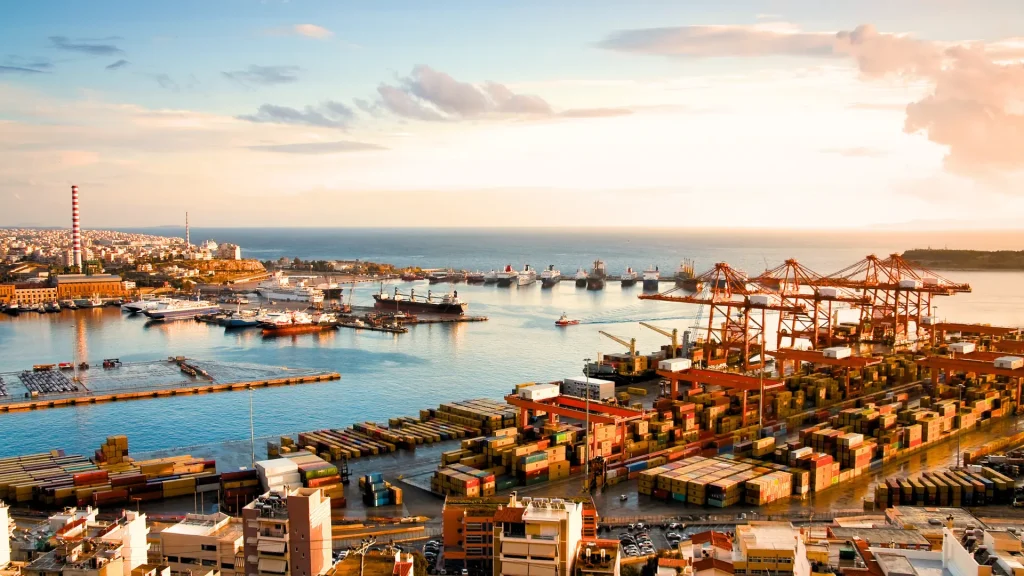
Supply chain disruptions can have far-reaching consequences for businesses. With the looming threat of another US port strike in January, it’s crucial to understand the potential impact. These disruptions can lead to:
- Container Shortages. Firstly, a US port strike can lead to a shortage of containers, as they may be stranded at ports or delayed in transit. This can result in longer wait times for businesses to secure containers for their shipments.
- Increased Shipping Costs and Volatility. Moreover, disruptions to the supply chain can lead to increased shipping costs. As a result shipping lines may impose higher fees to compensate for delays and operational challenges. Additionally, the volatility in the shipping market, caused by factors like port congestion and capacity constraints, can lead to unstable shipping rates.
For Australian businesses, these disruptions can result in higher costs for goods sourced from the US. As a result, unstable shipping costs can make it difficult to accurately predict and budget for transportation expenses.
Potential Consequences for Australian Importers and Exporters
A US port strike could have significant implications for Australian businesses engaged in import and export activities. Here are some key potential consequences:
Immediate Impacts:
- Accelerated Shipments. Firstly, to mitigate the impact of the strike, Australian businesses may need to accelerate their shipments to avoid potential delays and congestion at US ports. For example early cargo arrivals can help minimise disruption to supply chains.
- Stock Shortages and Price Increases. Secondly, the strike could lead to stock shortages of US-sourced goods, particularly for time-sensitive products. This may force price increases to compensate for higher shipping costs and potential supply chain disruptions.
- Congestion at Alternative Ports. Thirdly, increased shipping volumes to alternative ports, such as Los Angeles and Montreal, could lead to congestion and delays. This may further reinforce supply chain disruptions and increase transportation costs.
- Container Shortages and Vessel Delays: Finally, the strike could disrupt container availability and vessel schedules. As a result this will lead to longer transit times and higher shipping rates.
Global Supply Chain Recovery and Long-Term Effects
The full impact of a US port strike may extend beyond the initial period of disruption. Undoubtedly, prolonged strikes can have lasting effects on global supply chains, with recovery times often taking weeks or even months. For example, this is evident from past events like the 2002 West Coast port shutdown, which caused significant disruptions to global trade.
Key long-term effects may include:
- Shifted Trade Patterns. Firstly, some businesses may consider shifting their sourcing and shipping routes to minimise reliance on US ports. As a result this could lead to a reshaping of global trade patterns.
- Increased Costs. Secondly, higher shipping costs, increased insurance premiums, and potential tariffs may reduce profit margins for businesses.
- Reduced Consumer Confidence. Thirdly, supply chain disruptions can lead to product shortages and price increases, which may negatively impact consumer confidence and spending.
- Geopolitical Implications. Lastly, the strike could highlight vulnerabilities in global supply chains. As a result, countries may seek to diversify their supply chains and reduce dependence on specific regions.
How to Prepare Your Business for the Strike
Here are key strategies to mitigate the impact:
1.Proactive Supply Chain Management.
- Diversify Suppliers. Explore sourcing from various regions to reduce reliance on a single source.
- Increase Inventory Levels. Also maintain sufficient stock to cover potential delays.
- Real-Time Visibility. Moreover, implement advanced technology to track shipments and identify bottlenecks.
2.Risk Mitigation Strategies.
- Contingency Planning. Firstly, develop alternative shipping routes and modes of transport.
- Secondly, protect against losses due to damage, theft, or delays.
- Crisis Management Team. Thirdly, assemble a dedicated team to monitor the situation and make informed decisions.
3.Financial Preparedness.
- Financial Buffer. Maintain a sufficient cash reserve.
- Flexible Financing Options. Additionally, explore financing options to sustain operations.
- Cost Control. Moreover, optimise inventory and negotiate favorable terms with suppliers.
4.Practical Tips.
- Review Shipments. Prioritise shipments before December to avoid holiday and pre-strike congestion.
- Consider Alternative Routes. Also explore rerouting shipments to alternative ports or using air freight for high-priority goods.
- Plan for Delays. Furthermore, adjust inventory levels and prepare for potential price increases and shipment uncertainties.
- Proactive Communication. Lastly, work closely with logistics provider to ensure timely shipments and mitigate delays.
Additional Considerations.
- Invest in Technology. Use advanced supply chain management software to optimise operations.
- Build Strong Relationships. Additionally, foster strong relationships with suppliers for collaborative solutions.
- Develop a Crisis Management Plan. Moreover, outline steps to be taken in case of a strike.
- Stay Informed. Finally, monitor news and industry updates to stay informed about the latest developments.
What Happens Next?

The possibility of a US East Coast port strike is gaining attention from various parties, including the government. With the 2025 Presidential Inauguration approaching, government intervention seems likely. So this could speed up negotiations to prevent a strike or delay its start, as authorities work to stabilise critical supply chain operations.
Eventually, if a strike does occur, several scenarios could unfold:
- Duration of Disruptions. Strikes could last anywhere from a few days to several weeks, depending on the progress of negotiations.
- Recovery Timelines. Additionally, even after a resolution, it might take months for ports to return to full operational capacity, leaving lasting effects on global trade.
- Post-Strike Implications. Moreover, a prolonged disruption could shift trade flows permanently, as businesses seek alternative routes or ports.
Speculatively, the outcomes could vary:
- Short-Term Disruption. A swift resolution could minimise delays and avoid major global ripple effects.
- Prolonged Strike. Lengthy negotiations could lead to significant delays, driving up shipping costs. As a result, businesses may need to rethink their supply chain strategies.
- Negotiated Settlement. An early agreement, perhaps facilitated by government mediation, could entirely prevent significant disruption.
How GenFreight Supports Your Supply Chain During Uncertainty
GenFreight is your trusted partner in navigating supply chain uncertainties. We offer comprehensive solutions to minimise disruptions, including:
- Alternative routing options through West Coast and Canadian ports to avoid delays.
- Dedicated intermodal services for seamless transitions across various transport modes.
- Expertise in managing freight challenges during strikes and other unexpected events.
Our team is ready to provide expert guidance and customised strategies to keep your supply chain running smoothly. Reach out to us today!