
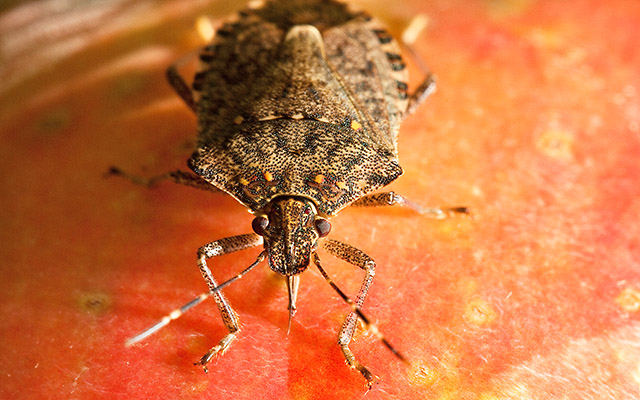
As the warmer months approach, Australian importers and logistics professionals are gearing up for the 2025-2026 Brown Marmorated Stink Bug (BMSB) season. The Department of Agriculture, Fisheries and Forestry (DAFF) has released its seasonal measures to mitigate the risk of this invasive pest entering Australia. This guide provides a comprehensive step-by-step approach to ensure compliance and avoid costly delays.
The BMSB season will run from September 1, 2025, to April 30, 2026. During this period, heightened biosecurity measures will apply to certain goods manufactured in or shipped from target risk countries.
Step 1: Identify if Your Goods are Affected
The first critical step is to determine if your imported goods are subject to the BMSB seasonal measures. This involves checking three key criteria:
- Country of Origin: A broad range of countries across Europe, North America, and Asia are classified as target risk countries. These include, but are not limited to, the United States, Canada, China, Japan, and numerous European nations. It is crucial to consult the official DAFF list for the most up-to-date information.
- Type of Goods: Goods are categorised as either ‘target high-risk’ or ‘target risk’.
- Target high-risk goods require mandatory treatment. This category includes a wide array of products such as machinery, vehicles, iron, steel, and articles made of stone.
- Target risk goods are subject to increased onshore intervention and random inspections. This includes items like plastics, paper, and printed materials. A detailed list of Harmonized System (HS) codes for both categories is available on the DAFF website.
- Shipment Date: The measures apply to goods shipped on or between September 1, 2025, and April 30, 2026.
Step 2: Understand the Mandatory Treatment Requirements
For all target high-risk goods, mandatory treatment is a non-negotiable requirement. The type of treatment and its location (offshore or onshore) will depend on the nature of the cargo.
- Offshore Treatment: Break bulk cargo, including goods on flat rack or in open-top containers, must be treated before arriving in Australia. This is a critical requirement, and non-compliance will result in the goods being denied discharge and directed for export.
- Onshore Treatment: Containerised cargo (Full Container Load – FCL, and Full Container Consolidated – FCX) arriving in sealed, six-sided hard containers may be treated onshore. However, DAFF encourages offshore treatment to expedite clearance.
Approved treatment options include:
- Heat Treatment: A specific temperature must be maintained for a minimum duration.
- Methyl Bromide Fumigation: Requires a set concentration for a specified period.
- Sulfuryl Fluoride Fumigation: Similar to methyl bromide, with specific dosage and time requirements.
A new offshore treatment option, Ethyl Formate, has been introduced for the 2025-2026 season. All treatments must be conducted by a DAFF-approved provider.
Step 3: Explore the Safeguarding Arrangements Scheme
For eligible importers, the Safeguarding Arrangements Scheme offers an alternative pathway that can reduce costs and supply chain delays. This scheme allows for the importation of target high-risk goods in sealed containers without mandatory treatment, provided the importer can demonstrate a robust, secure supply chain that mitigates the risk of BMSB infestation.
Applications for the Safeguarding Arrangements Scheme for the 2025-2026 season will be open from July 28, 2025, to January 30, 2026. Applicants must provide detailed documentation, including a supply chain plan and a mitigation and contingency plan.
Step 4: Ensure Correct Documentation and Declarations
Accurate and complete documentation is vital for a smooth importation process. This includes:
- Treatment Certificates: For all treated goods, a valid treatment certificate from an approved provider must be presented.
- Sealing Declarations: In certain circumstances, a sealing declaration may be required to verify that goods were sealed in their container before the BMSB risk period or within 120 hours of offshore treatment.
- Importer Declarations: For those approved under the Safeguarding Arrangements Scheme, an importer’s declaration is required for each consignment.
Step 5: Be Aware of Vessel and Air Freight Regulations
The BMSB measures also extend to the vessels transporting goods. All roll-on/roll-off (ro-ro) vessels that have berthed at, loaded, or transhipped from a target risk country will be subject to heightened surveillance and mandatory seasonal pest inspections upon arrival in Australia.
For air freight, target high-risk goods from the United States and China will be subject to random inspections.
By diligently following these steps, importers can navigate the complexities of the 2025-2026 BMSB season, ensuring their goods arrive in Australia without unnecessary delays or biosecurity risks. For the most detailed and current information, it is always recommended to consult the official Department of Agriculture, Fisheries and Forestry website.
If this seems a little overwhelming, please feel free to contact GenFreight for a chat, we’d love to help.
And if you’d like to keep on top of updates from DAFF themselves, their online guide is updated sporadically – https://www.agriculture.gov.au/biosecurity-trade/import/before/brown-marmorated-stink-bugs#bmsb-measures-for-goods