
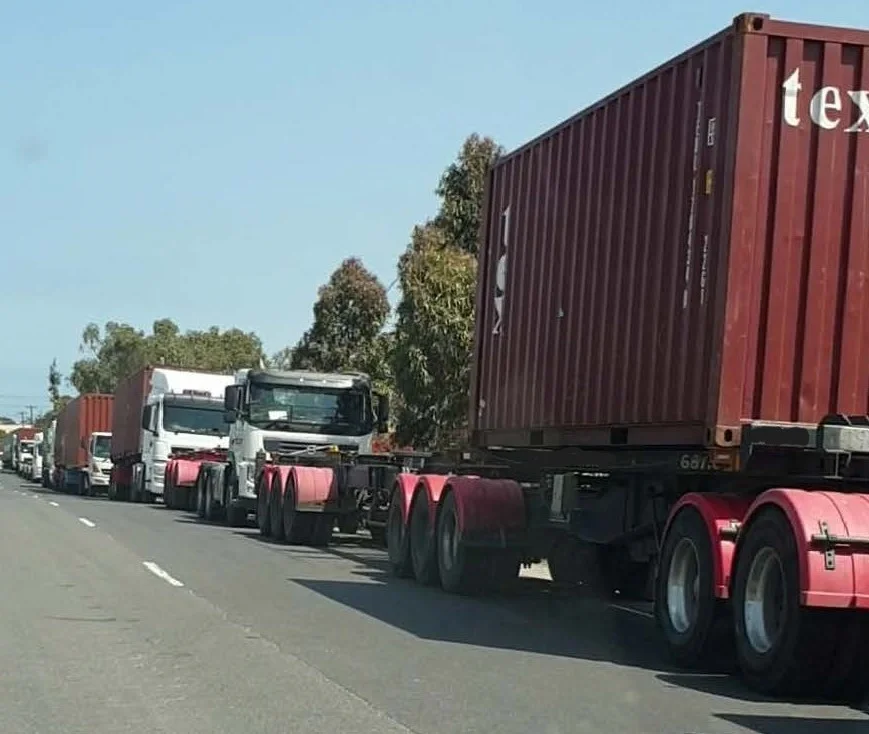
Melbourne’s container transport industry is on high alert, bracing for a “significant” spike in operating costs with the impending opening of the West Gate Tunnel. The new toll structure, set to activate in December, will impose unavoidable new charges on all heavy vehicles using the M1 corridor, sparking warnings of a supply chain cost blowout.
Industry body Container Transport Alliance Australia (CTAA) has warned that the new tolls, combined with new truck restrictions, will funnel all port-related freight onto the newly tolled routes, leaving operators with no alternative.
The “Double Whammy”: New Tolls and Truck Bans
The new infrastructure, while designed to ease congestion, introduces two major changes that will fundamentally alter freight movements in Melbourne’s west:
- A New Toll Gantry: A new heavy vehicle tolling point will be established on the M1 (West Gate Freeway) east of Millers Road. Critically, this toll will apply to heavy vehicles regardless of whether they use the new West Gate Tunnel, the existing West Gate Bridge, or the new Hyde Street access ramps.
- New “No Truck Zones”: Simultaneously, new 24/7 truck bans will be enforced on key inner-west roads, including Francis Street and Somerville Road in Yarraville.
This combination effectively creates a “tolled freight zone,” funnelling all heavy vehicles onto the M1 and forcing them to pay the new charges. For the first time since 1985, crossing the West Gate Bridge will no longer be a non-tolled option for the freight industry.
The Staggering Cost to the Supply Chain
The new toll structure, to be operated by Transurban, has been set, with operators facing steep day rates for each pass:
- Heavy Commercial Vehicle (HCV): $19.78 per trip (day rate)
- Long Heavy Commercial Vehicle (LHCV): $29.67 per trip (day rate)
Industry modelling by the CTAA shows these new costs will increase container transport rates by 13% to 30%.
The impact is magnified by the nature of container logistics. A single container movement is not one trip, but a complex cycle of movements between the port, transport yards, customer premises, and empty container parks (ECPs).
With 60% of Melbourne’s empty container parks located in the western suburbs, a single shipping container could attract multiple tolls. A typical cycle could involve up to eight tollable trips, potentially adding over $158 in new toll costs to the movement of just one container.
Industry Braces for Impact
Transport operators are now facing “tough discussions” with their customers, importers and exporters, about how to pass on these unavoidable costs.
While the Victorian Government and tunnel operator Transurban have promoted the project’s benefits, stating it will take 9,000 trucks a day off local roads and provide a vital alternative to the West Gate Bridge – the freight industry argues it is being forced to bear the cost.
The CTAA has been vocal, highlighting that these new tolls are a direct and significant new burden on a supply chain already grappling with high operational costs. As the December opening approaches, the industry is calling for more clarity from the government and bracing for a costly new era of freight transport in Melbourne.
📸 Container Transport Alliance Australia