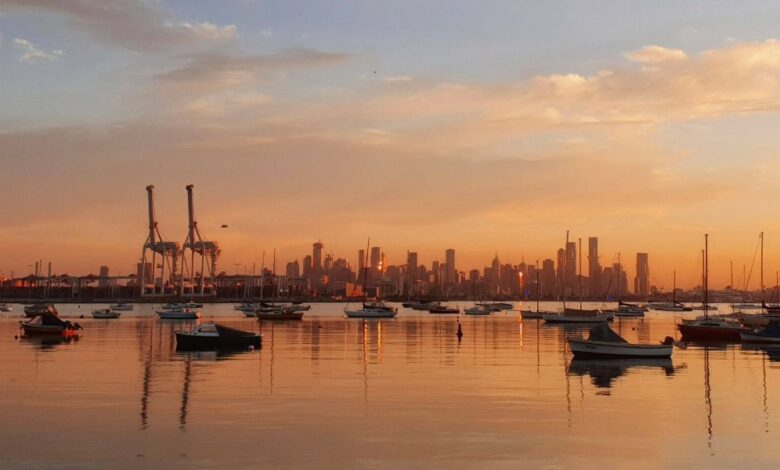
🛳️ 𝗚𝗿𝗲𝗲𝗻 𝗦𝗵𝗶𝗽𝗽𝗶𝗻𝗴 𝗜𝗺𝗽𝗹𝗲𝗺𝗲𝗻𝘁𝗮𝘁𝗶𝗼𝗻 𝗼𝗻 𝘁𝗵𝗲 𝗦𝗵𝗮𝗻𝗴𝗵𝗮𝗶–𝗠𝗲𝗹𝗯𝗼𝘂𝗿𝗻𝗲 𝗧𝗿𝗮𝗱𝗲 𝗟𝗮𝗻𝗲 🛳️
For anyone moving containers between China and southeast Australia, this is one to watch closely.
The initiative, supported by C40 Cities, will focus on green methanol and biofuel bunkering, shore power, low-carbon vessel deployment, and digital tools to improve voyage efficiency and emissions tracking.
China is Port of Melbourne’s largest trading partner, accounting for 50% of container imports and 20% of container exports. That makes the Shanghai–Melbourne route a natural proving ground for decarbonising Australia’s container trade.
The partnership also builds on a long-running sister-port relationship, Port of Melbourne and the Shanghai Municipal Transportation Commission formalised the green corridor in October 2025, coinciding with nearly two decades of cooperation.
The roadmap is not just about cleaner ships. It covers the wider fuel and port ecosystem…
• Green methanol and biofuel bunkering, with Shanghai targeting an annual bunkering capacity of one million tonnes for these fuels.
• Feasibility work in Melbourne on green-fuel bunkering and shore-power infrastructure.
• Deployment of one or more low-carbon-fuel container vessels on the Shanghai–Melbourne route.
• Digital systems for voyage optimisation, emissions tracking, and more efficient port calls.
• Collaboration across ports, shipping lines, and fuel suppliers including SIPG, COSCO Shipping Lines, HAMR Energy, ABEL Energy, and Shenergy.
Melbourne is Australia’s largest container port and handles more than one-third of national container trade. The port has also set a 2030 net-zero target for its own Scope 1 and 2 operations, supported by renewable electricity and zero-emissions vehicle and vessel transitions.
The port has already been exploring a green methanol bunkering hub with industry partners, including A.P. Moller – Maersk and CMA CGM. The Shanghai corridor adds an international trade-lane dimension to that work.
Furthermore, Australia is not starting from the start. The Australia–Singapore Green and Digital Shipping Corridor, established in 2024, is already working on zero and near-zero emission fuels, bunkering standards, pilot projects, port-call optimisation, and paperless trade processes.
Taken together, these corridors signal a shift, decarbonisation is becoming embedded in trade infrastructure, fuel supply chains, port operations, and vessel deployment, not treated as a separate sustainability project.
📸 and reference Splash Ports