🥥 𝗠𝗲𝘁𝗵𝗮𝗺𝗽𝗵𝗲𝘁𝗮𝗺𝗶𝗻𝗲 𝗖𝗼𝗻𝗰𝗲𝗮𝗹𝗲𝗱 𝗜𝗻 𝗖𝗼𝗰𝗼𝗻𝘂𝘁 𝗪𝗮𝘁𝗲𝗿 🥥
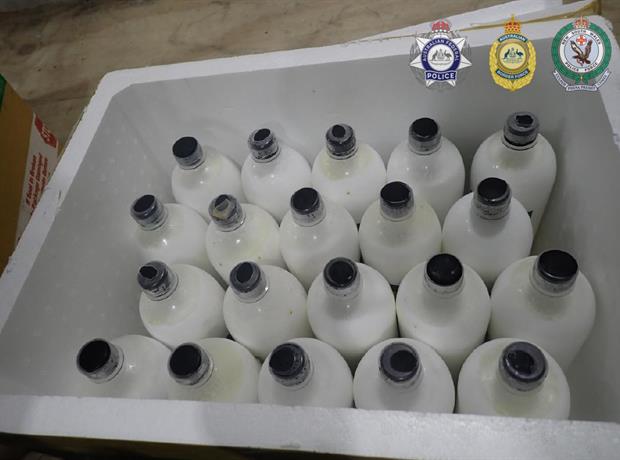
Australian authorities have charged a 47-year-old Vietnamese woman over the alleged importation of methamphetamine concealed in a shipping container marked as containing coconut water. It will be alleged that the consignment contained 800 litres of coconut water mixed with liquid methamphetamine.
The investigation began in December 2025, when Australian Border Force officers located illicit drugs during an inspection of the inbound container. A joint AFP and NSW Police investigation followed, supported by the NSW Crime Commission.
Police allege the woman was responsible for funding and coordinating the importation attempt. She was arrested in September 2026 after a search warrant at a Macquarie Park unit linked to the consignment’s final delivery location, where digital devices were seized for forensic examination. She has been charged with importing a commercial quantity of methamphetamine under section 307.1 of the 𝘊𝘳𝘪𝘮𝘪𝘯𝘢𝘭 𝘊𝘰𝘥𝘦 (Cth), an offence carrying a maximum penalty of life imprisonment.
Unlike concealed packages or altered packaging, this case allegedly involved methamphetamine mixed into a liquid food product. Liquid methamphetamine can be difficult to identify through routine visual inspection because it may resemble a legitimate beverage consignment.
No single indicator proves illicit activity, but unusual patterns should prompt closer review. In food, beverage and other consumable cargo, potential red flags include:
• Inconsistent or vague commodity descriptions, especially where product type, volume or packaging does not align with the commercial invoice
• A consignee or importer with limited trading history, unclear business purpose or weak documentation
• Unusual routing, transhipment patterns or a mismatch between origin, supplier and intended market
• Consignments with unusually high value, volume or packaging complexity relative to the stated product
• Last-minute changes to consignee details, delivery addresses or release arrangements
• Pressure to move cargo quickly or bypass normal verification steps
The ABF says its officers use intelligence, screening technology and operational expertise to detect concealment methods at the border. But effective risk management starts well before cargo reaches the terminal, with accurate data, transparent counterparties and a culture that treats anomalies as questions to investigate rather than inconveniences to ignore.
𝘛𝘩𝘦 𝘢𝘭𝘭𝘦𝘨𝘢𝘵𝘪𝘰𝘯𝘴 𝘢𝘳𝘦 𝘣𝘦𝘧𝘰𝘳𝘦 𝘵𝘩𝘦 𝘤𝘰𝘶𝘳𝘵𝘴, 𝘢𝘯𝘥 𝘵𝘩𝘦 𝘢𝘤𝘤𝘶𝘴𝘦𝘥 𝘪𝘴 𝘦𝘯𝘵𝘪𝘵𝘭𝘦𝘥 𝘵𝘰 𝘵𝘩𝘦 𝘱𝘳𝘦𝘴𝘶𝘮𝘱𝘵𝘪𝘰𝘯 𝘰𝘧 𝘪𝘯𝘯𝘰𝘤𝘦𝘯𝘤𝘦.
📸 and reference https://www.abf.gov.au/newsroom-subsite/Pages/Woman-charged-over-alleged-meth-import-concealed-in-coconut-water.aspx