
The engines of global trade are constantly humming, and for Australian businesses, the connection with China is undeniably one of the loudest and most vital. Indeed, China stands as Australia’s largest two-way trading partner, a relationship that has grown exponentially, bringing immense opportunities for growth and innovation right to our shores. Consequently, if your business relies on products or components from this dynamic market, you’re tapping into a powerful global supply chain.
However, managing a supply chain that spans thousands of kilometres and crosses international borders isn’t without its complexities. In fact, for many Australian business owners, the thought of shipping from China to Australia can conjure images of mountains of paperwork, unexpected delays, and a dizzying array of regulations. Moreover, navigating different time zones, languages, and logistical hurdles can feel like a daunting task, often leading to frustration and unforeseen costs. Ultimately, you need a clear path forward.
That’s precisely why we’ve created this comprehensive handbook. This guide isn’t just another general overview. Instead, it’s a straightforward, practical resource crafted by local Australian experts who genuinely understand the intricacies of freight from China to Australia. We’ve distilled decades of experience into actionable insights, designed to simplify every step of importing from China. Our promise is to equip you with the knowledge and confidence to make informed decisions, ensuring your goods arrive smoothly, efficiently, and without unnecessary headaches.
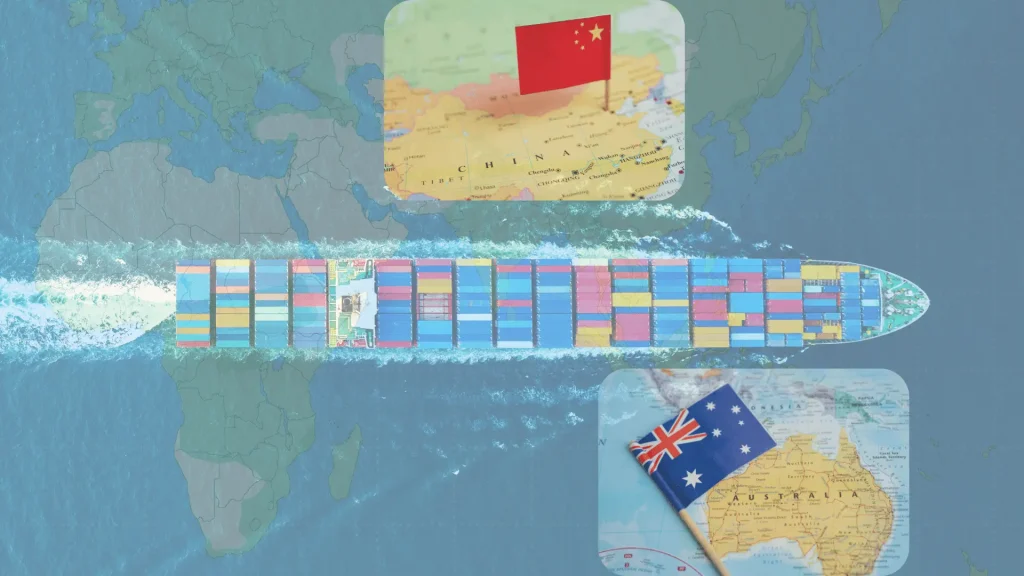
Shipping from China to Australia: Sea vs. Air Freight
When you’re shipping from China to Australia, one of the very first decisions you’ll face is choosing the right transportation method. Generally, your options boil down to two main categories: sea freight or air freight. Each has distinct advantages and disadvantages. And the best choice for your business will largely depend on your specific needs, budget, and urgency. Therefore, let’s break them down clearly.
Sea Freight: The Economical Choice for Larger Loads
Sea freight is, without a doubt, the most common and cost-effective method for shipping from China to Australia, especially for larger volumes or heavy goods. It’s the backbone of international trade, moving the vast majority of products across oceans.
- Pros:
- Cost-Effective. Firstly, it’s significantly cheaper than air freight, particularly for bulky or heavy shipments. So this can make a huge difference to your bottom line.
- Capacity. Secondly, can handle almost any size or weight of cargo, from a single pallet to multiple full containers.
- Environmentally Friendlier. Thirdly, sea freight has a lower carbon footprint per ton-mile compared to air transport.
- Cons:
- Slower Transit Times. Expect typical transit times ranging from 20 to 30 days port-to-port, not including customs clearance or inland delivery. Consequently, careful planning is essential.
- Less Flexible. Additionally, once a ship departs, changes are difficult, if not impossible.
- Potential Delays. Moreover, weather conditions, port congestion, or customs backlogs can sometimes add to the journey.
Sea Freight Options: For those choosing sea freight, you’ll encounter two primary options:
- FCL (Full Container Load). This means your goods fill an entire shipping container (e.g., a 20-foot or 40-foot container). It’s generally faster than LCL as your goods don’t need to be consolidated with others. Furthermore, it offers better security as your cargo remains sealed throughout transit.
- LCL (Less than Container Load). If your shipment isn’t large enough to fill an entire container, your goods will be consolidated with other shippers’ cargo into one container. While more economical for smaller volumes, it can add a few days to the transit time.
Air Freight: Speed and Urgency for Your Shipments from China to Australia
For time-sensitive goods or higher-value items where speed is paramount, air freight is the undisputed champion. It offers significantly faster transit times, ensuring your products reach Australia quickly.
- Pros:
- Speed. Firstly, transit times typically range from 3 to 7 days. As a result, it makes it ideal for urgent deliveries, perishable goods, or high-value items.
- Reliability. Secondly, less susceptible to delays from weather or port congestion compared to sea freight.
- Increased Security. Thirdly, it offers a higher level of security and less handling due to quicker transit and fewer touchpoints.
- Cons:
- Higher Cost. Significantly more expensive than sea freight, making it less suitable for bulk, low-value goods.
- Weight & Size Limitations. Moreover, there are practical limits to the size and weight of individual packages.
- Fuel Surcharges. Furthermore, air freight rates are more sensitive to fluctuating fuel prices, which can impact your overall cost.
Air Freight Options: You also have choices within air freight:
- Standard Air Cargo. Generally, this is the most common option, balancing speed and cost for most air shipments.
- Express/Courier Services. For the absolute fastest delivery, services from major carriers (like DHL, FedEx, UPS offer door-to-door expedited service, typically for smaller, lighter packages, often within 1-3 days.
Decoding Incoterms and Paperwork: The Essential Checklist for Your Shipping from China to Australia
Once you’ve decided on your shipping method, the next crucial step in shipping from China to Australia involves understanding the language of international trade: Incoterms, and preparing the essential paperwork. These aren’t just technicalities. Indeed, they define who is responsible for what, when, and where, directly impacting your costs, risks, and overall control. Therefore, mastering them is key to a smooth import process.
Understanding Incoterms: Defining Responsibilities in Global Trade
Incoterms (International Commercial Terms) are a set of globally recognised rules published by the International Chamber of Commerce (ICC). Essentially, they clarify the obligations of sellers and buyers for the delivery of goods under sales contracts. In essence, they dictate precisely when costs and risks transfer from your supplier in China to you, the importer in Australia. Knowing which Incoterm applies to your shipment is paramount, as it directly impacts your financial liability and control over the logistics process.
For a comprehensive breakdown of the most common Incoterms and how they specifically apply to Australian businesses, we’ve prepared a dedicated, in-depth guide. Click here to read our full guide: A Guide to Shipping Terms for Australian Businesses.
Actionable Advice: Why FOB is Often Best for Australian Importers
While various Incoterms exist, our strong recommendation for most experienced Australian businesses, especially when shipping from China to Australia, is FOB (Free On Board). Here’s why it’s often the preferred choice:
- Control over Freight. Firstly, with FOB, you, the buyer, are responsible for selecting the main international freight carrier and negotiating the freight rates. Consequently, this gives you significant control over shipping costs, transit times, and carrier choice.
- Transparency. Secondly. you get a clear breakdown of costs. Your Chinese supplier covers the local costs to get the goods onto the ship, and you handle the rest. This prevents hidden fees and provides greater clarity.
- Flexibility. Thirdly, you can work directly with your chosen Australian freight forwarder (like us!) from the loading port onwards, ensuring seamless coordination and proactive problem-solving.
- Cost Savings. Lastly, by controlling the international leg of the journey, you can often leverage your freight forwarder’s buying power and relationships. As a result in helps to secure more competitive rates than your supplier might get.
Therefore, we strongly advise negotiating with your Chinese suppliers to quote you on FOB terms.
Your Essential Documentation Checklist for Importing from China
Beyond understanding Incoterms, accurate and complete paperwork is absolutely non-negotiable when shipping from China to Australia. Missing or incorrect documents are a primary cause of delays, additional costs, and even seizure of goods by Australian Customs. Consequently, always ensure you have these key documents ready:
• Commercial Invoice:
- Purpose. Generally this is a bill for the goods from the seller to the buyer. Also it’s crucial for customs valuation and duty calculation.
- What it includes: Seller and buyer details, detailed description of goods, quantity, unit price, total value, currency, Incoterm, and country of origin.
• Packing List:
- Purpose. Provides details on how your goods are packed. Moreover, it helps customs verify cargo and assists you with checking your delivery.
- What it includes. Number of packages, weight (gross and net), dimensions of each package. Also a description of contents in each package.
• Bill of Lading (B/L) / Air Waybill (AWB):
- Purpose. This is the contract of carriage between the shipper and the carrier. It also acts as a receipt for goods and a document of title (for B/L).
- Which one to use. A Bill of Lading is used for sea freight, while an Air Waybill is used for air freight.
• Certificate of Origin (COO):
- Purpose. Generally it certifies the country where the goods were manufactured. This is especially important for determining eligibility for preferential tariffs under free trade agreements like the China-Australia Free Trade Agreement (ChAFTA).
- Note: If claiming ChAFTA benefits, ensure it’s a ChAFTA Certificate of Origin.
• Import Declaration (N10 or SAC Declaration):
- Purpose. This is the formal statement made to the Australian Border Force (ABF) providing details of the imported goods.
- Which one to use. An N10 Import Declaration is for goods valued over AUD1,000. While a Self−Assessed Clearance (SAC) Declaration is for goods under AUD 1,000.
• Packing Declaration (for Sea Freight):
- Purpose. Declares the type of packing materials used in the shipment, particularly concerning wooden packaging. So it’s vital for Australian biosecurity.
- Note: If wooden packaging is used, proof of fumigation or heat treatment is usually required.
• Permits, Licenses, or Certificates (if applicable):
- Purpose. Certain goods (e.g., food, cosmetics, electronics, plants, medical devices) require specific import permits, health certificates, or compliance declarations before they can enter Australia.
- Action: Always check the specific requirements for your product type well in advance.
The Australian Arrival: Customs, Duties, and Biosecurity
Even after your goods leave China, the journey isn’t over until they successfully clear Australian borders. This crucial stage involves navigating a complex landscape of regulations overseen by two primary government bodies: the Australian Border Force (ABF) and the Department of Agriculture, Fisheries and Forestry (DAFF). Furthermore, understanding their roles and requirements is paramount for a smooth arrival when shipping from China to Australia. As your local experts, we have deep, current knowledge of these processes.
Australian Border Force (ABF): Clearing Customs and Calculating Duties
The Australian Border Force (ABF) is responsible for managing Australia’s borders, which includes controlling the movement of goods into the country. Their role is to ensure national security, protect the community, and collect revenue on imported goods.
- Import Declarations. A formal import declaration (such as an N10 form for goods over AUD1,000 or a Self−Assessed Clearance (SAC) for goods AUD 1,000 or less, as detailed in our documentation checklist) must be lodged with the ABF. This declaration provides all the necessary details about your shipment, from its value and origin to its classification, allowing the ABF to process your entry into Australia.
- Customs Duties. These are taxes levied on certain imported goods. The amount of customs duty you pay depends on:
- The Type of Goods. Firstly, products are classified using an HS (Harmonized System) code, which determines their specific duty rate.
- Country of Origin. Secondly, Free Trade Agreements, such as the China-Australia Free Trade Agreement (ChAFTA), can offer reduced or zero duty rates for eligible goods.
- Customs Value. Finally, duties are calculated as a percentage of the FOB (Free On Board) value of the goods. For most general cargo, a standard rate of 5% import duty applies.
- Goods and Services Tax (GST). In addition to customs duties, a 10% GST applies to most imported goods. This is calculated on the “value of the taxable importation,” which includes the customs value of the goods, any customs duty payable, and the cost of international transport and insurance to Australia. It’s vital to remember that GST applies even if your goods are duty-free or valued under AUD$1,000 (unless specific exemptions apply).
Department of Agriculture, Fisheries and Forestry (DAFF): Guarding Australia's Biosecurity
Perhaps even more critical than customs is satisfying Australia’s incredibly strict biosecurity requirements, overseen by the Department of Agriculture, Fisheries and Forestry (DAFF). Our unique biodiversity is incredibly precious, and DAFF works diligently to prevent the entry of pests and diseases that could devastate our agriculture, environment, and economy.
- What are Biosecurity Risks? DAFF scrutinises imports for any potential biological threats. Common concerns include:
- Pests and Diseases: Think insects, seeds, or pathogens hidden in cargo.
- Contaminated Packaging: Wooden pallets or crates that haven’t been properly treated can harbor pests. Soil, plant material, and even food residues on goods or packaging are also major concerns.
- High-Risk Goods: Items like food products, timber, plants, animal products, and certain used machinery are subject to intense scrutiny.
- Quarantine Inspections: Depending on the goods and their risk profile, DAFF may require physical inspections.
The Cost of Failure: Why Compliance is Non-Negotiable
Failing to meet ABF or DAFF requirements when shipping from China to Australia is not merely an inconvenience. It can lead to severe financial penalties and operational disruptions. In other words, the Australian authorities take compliance extremely seriously.
- Financial Penalties. Firstly, you could face substantial fines for incorrect declarations, undeclared goods, or biosecurity breaches. These can range from thousands to hundreds of thousands of dollars, depending on the severity of the offense.
- Delays. Secondly, your goods will be held at the border, incurring costly storage fees, demurrage (penalties for delayed return of shipping containers). As a result it leads to lost sales opportunities due to prolonged delivery times.
- Seizure or Re-Exportation. Thirdly, in severe cases, goods that pose a high risk or are found to be non-compliant may be seized by the authorities. Alternatively, they might be ordered for re-exportation back to China. Which means you pay for shipping twice and still don’t have your product.
- Reputational Damage. Finally, persistent non-compliance can harm your business’s reputation and lead to increased scrutiny on future shipments.
Avoiding Delays and Costs: Your Seasonal Shipping Calendar
Even with perfect paperwork and the right shipping method, there’s another layer of complexity when shipping from China to Australia: the calendar. Indeed, the global shipping industry operates on cycles heavily influenced by major holidays and peak seasons, particularly those originating in China. So ignoring these can lead to unexpected delays, soaring costs, and significant frustration. Therefore, being proactive and understanding these external factors is crucial for maintaining a smooth and predictable supply chain.
Key Periods That Impact Shipping from China to Australia
Think of these as the red flags on your shipping calendar. Planning around them is not just smart; it’s essential for cost-efficiency and timely delivery.
• Chinese New Year (Spring Festival)
- When: This is the most significant holiday in China, typically falling in late January or early to mid-February, depending on the lunar calendar.
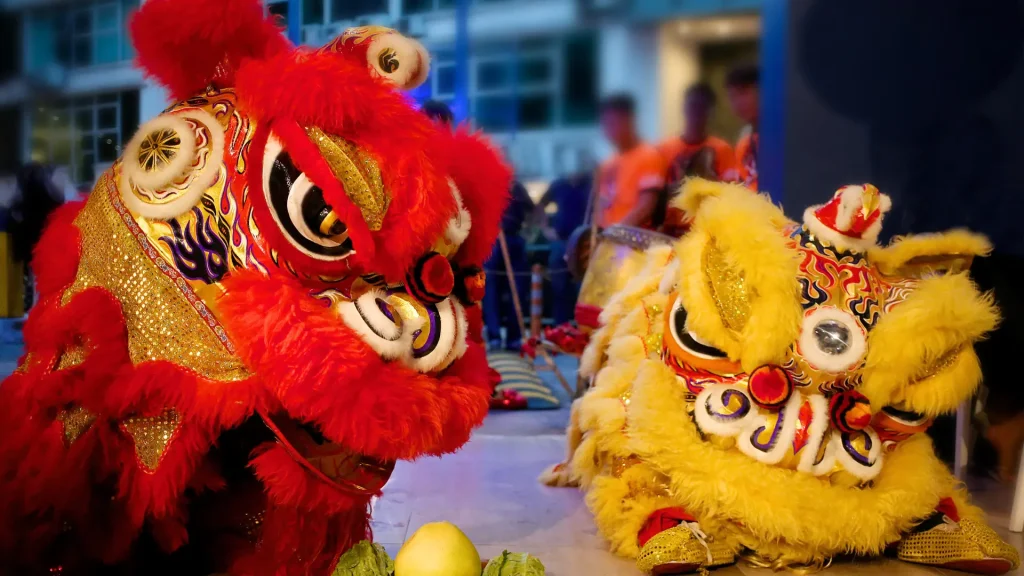
For 2026: The Lunar New Year begins on Tuesday, February 17th. Official public holidays are typically from Monday, February 16th to Sunday, February 22nd. However, the real impact on factories and logistics usually starts a week or two before and extends until after the Lantern Festival (March 3rd, 2026). When most workers have returned and full production capacity slowly resumes.
- Impact: This period causes the most widespread disruption. For example, factories shut down completely for weeks as workers travel home. Additionally, ports face severe labor shortages, leading to major backlogs. Consequently, booking space becomes incredibly tight, and freight rates skyrocket both before and immediately after the holiday. Any goods not shipped well in advance will likely sit idle for weeks.
• Golden Week (National Day Holiday)
- When: Annually, from October 1st to October 7th.
- Impact: Similar to Chinese New Year, this week-long national holiday sees widespread factory closures and reduced port operations. While shorter, it causes a significant surge in demand and pressure on shipping capacity in the weeks leading up to it. This can often coincide with the beginning of the global holiday peak season, creating a double whammy for supply chains.
• Pre-Christmas / Holiday Shopping Season
- When: This global peak typically runs from late August/September through to December.
- Impact: Driven by consumer demand for events like Black Friday, Cyber Monday, and the Christmas rush, factories in China are at maximum output. There’s an immense surge in shipping volumes worldwide, putting massive strain on container availability, vessel space, and port infrastructure. Subsequently, freight rates typically rise steadily, and transit times can extend due to port congestion and carrier capacity limitations.
• Other Chinese Holidays & Industry-Specific Peaks:
While smaller, holidays like the Dragon Boat Festival (May/June) and Qingming Festival (April) can cause mini-disruptions. Additionally, specific industries might have their own peak seasons (e.g., back-to-school supplies in July-August, fashion collection launches). Always consult with your freight forwarder about specific impacts.
Actionable Advice: How to Mitigate Delays and Costs
Forewarned is forearmed. By anticipating these peak periods when shipping from China to Australia, you can significantly reduce stress, delays, and unexpected expenses.
- Plan and Book Early: This is the golden rule. For Chinese New Year, aim to have your goods shipped out of China by mid-January at the absolute latest. For Golden Week and the pre-Christmas rush, book your sea freight shipments 3-4 weeks in advance. As for air freight, book it 1-2 weeks ahead of the anticipated surge. So early booking secures your space and often locks in better rates.
- Build Buffer Time: Always factor in extra lead time during these peak periods. A few extra days or even a week in your delivery schedule can save you from costly expedited shipping later.
- Prioritise Shipments: If you have multiple orders, identify your most critical goods. Discuss with your supplier and freight forwarder which shipments absolutely must depart before a holiday and which can wait.
- Consider a Booking Guarantee (if offered): In particularly volatile periods, some carriers might offer premium services with guaranteed space. While pricier, this can be invaluable for mission-critical cargo.
- Maintain Open Communication: Furthermore, stay in constant contact with your Chinese suppliers about their production schedules and holiday closures. Equally important, keep your Australian freight forwarder informed so they can secure necessary bookings.
- Be Flexible: Sometimes, adapting your port of origin in China or considering a slightly longer transit time service that is less congested can prove beneficial.
In Conclusion
Navigating the world of shipping from China to Australia doesn’t have to be overwhelming. As we’ve explored in this guide, understanding the nuances of Incoterms, meticulous paperwork, strict Australian customs, and those tricky seasonal calendars is key. Trying to manage all this alone, especially from a distance, can easily lead to unnecessary stress and unexpected costs.
This is where a dedicated, local freight forwarding partner truly makes a difference. You need someone who deeply understands the Australian landscape, from customs to biosecurity, and has strong connections back in China. At GenFreight, that’s precisely what we offer. Our expertise isn’t just about moving your goods. It’s about providing the peace of mind that comes from having a seasoned team manage every detail, preventing delays and ensuring compliance. We’re here to simplify your imports.
Ready to see how straightforward freight from China to Australia can be with the right support? We’re here to help. Reach out for a clear, no-obligation quote, and let’s discuss how our local knowledge can benefit your business.