

Imagine this for a moment. A small batch of hand-painted ceramics is carefully packed at a workshop in Vietnam, destined for your online store based in Brisbane. From there, it begins an enormous journey—navigating local transport to a bustling port, being loaded onto a massive container ship, and sailing across the ocean. After that, it must clear Australian customs at the Port of Brisbane, travel by truck to your warehouse, and finally, be sent out by a local courier to a customer’s doorstep in New Farm.
For your business, this journey is everything. A smooth, efficient trip means a happy customer, a great review, and healthy profits. On the other hand, a single delay, a damaged item, or a customs hiccup can lead to customer complaints, unexpected costs, and a major headache. In short, the success of your business literally depends on getting this journey right. The entire process, from start to finish, is managed by supply chain logistics.
In this article, we will demystify the concept of supply chain logistics and explain it in plain English. Additionally, we will highlight how it affects your business when you move goods in or out of Australia. Moreover, we’ll explore practical examples, clear differences, and useful tips you can apply directly.
Specifically, we’ll answer three key questions:
- What is supply chain logistics?
- Are logistics and supply chain the same thing?
- What is the role of logistics within the supply chain?
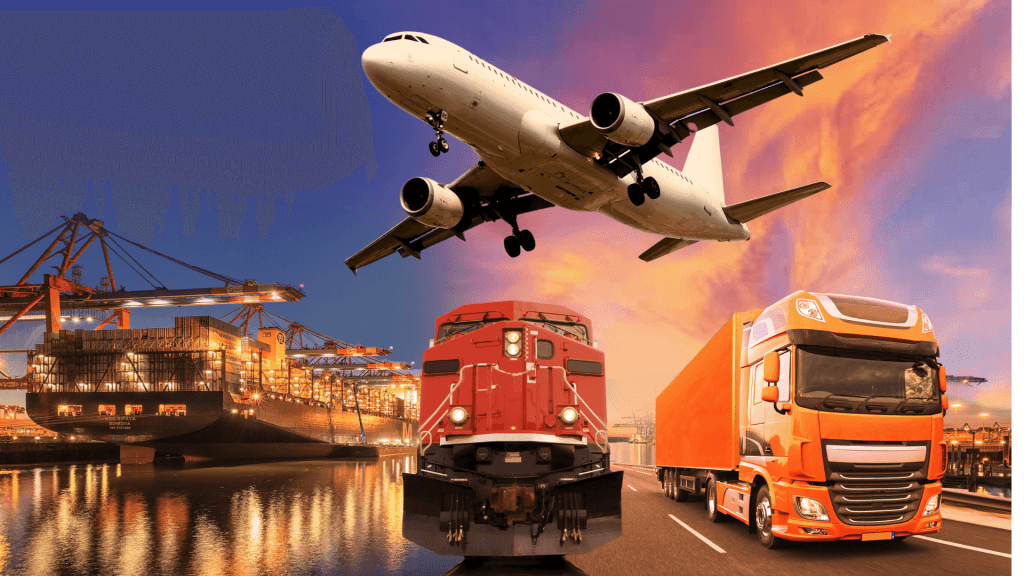
Demystifying the Jargon: Supply Chain vs. Logistics
For many business owners, the terms supply chain and logistics often sound like the same thing. However, they are closely connected but not identical. Additionally, the easiest way to understand the difference is through a simple analogy.
Imagine you are baking a cake. So, the supply chain is like the entire recipe — from sourcing the ingredients at the farm, mixing them in your kitchen, baking, decorating, and finally serving the cake at the party. Meanwhile, logistics is the crucial step of getting those ingredients from the farm to your kitchen and later delivering the finished cake to the party. In other words, logistics handles the movement and storage part of the recipe.
What is a Supply Chain?
A supply chain is the entire network involved in creating and delivering a product. Moreover, it covers every step — from sourcing raw materials, to manufacturing, warehousing, distribution, and finally reaching the end customer. Therefore, suppliers, manufacturers, warehouses, distributors, and retailers are all part of this bigger picture.
What is Logistics?
Generally, logistics is the engine inside the supply chain. Additionally, it includes the planning, execution, and control of the efficient movement and storage of goods and services. Put simply, logistics ensures:
- The right item
- In the right quantity
- At the right time
- In the right place
- For the right price
- In the right condition
- To the right customer
Because of this, logistics is about precision and efficiency — making sure products move seamlessly from origin to destination.
Is Logistics Part of the Supply Chain?
The short answer is: yes, absolutely. Moreover, without logistics, the supply chain would not function at all. To return to the cake analogy, you cannot bake if you never get the ingredients into your kitchen. In the same way, a supply chain cannot operate without logistics to transport, store, and deliver goods.
Ultimately, logistics is not separate from the supply chain. Instead, it is the lifeblood that makes the entire process flow.
The Crucial Role of Logistics in Your Australian Import/Export Business
Now that we’ve cleared up the definitions, let’s get into the practical side of things. So for an Australian business, separated from many global markets by vast oceans, managing logistics effectively isn’t just an operational task—it’s your strategic advantage. Ultimately, it all comes down to a few key decisions you’ll need to make.
Choosing Your Mode: Sea Freight vs. Air Freight
The first major decision for any importer or exporter is how to move your goods. For international shipping, you have two primary choices: sea freight or air freight. Each has distinct advantages depending on your product, budget, and timeline.
Here’s a simple breakdown to help you decide:
Factor | Sea Freight 🚢 | Air Freight ✈️ |
Cost | Much more affordable, especially for large, | Significantly more expensive, |
Speed | Slower. You need to plan weeks or even | Much faster. Ideal for urgent shipments |
Typical Transit Time | From China: 12-25 days | From China: 3-7 days |
Best For… | Bulk goods, non-perishable items, | High-value, low-volume goods |
Warehousing: Your Hub for Operations
Once your goods arrive in Australia, you need a place to store them before they go out to your customers. However, warehousing is much more than just a roof over your products’ heads. In other words, it’s the core of your inventory management and order fulfilment. For a small or medium-sized business, you generally have two paths.
- Using a 3PL (Third-Party Logistics) Provider: This involves outsourcing your warehousing and order fulfilment to a specialised company. These providers, often located in major hubs like Western Sydney or Melbourne’s west, will store your products, then pick, pack, and ship orders on your behalf. This is an excellent option if you want to scale quickly without the massive upfront cost of your own warehouse and staff.
- Managing Your Own Space (DIY): This means leasing your own warehouse space and hiring your own team. This path gives you complete control over your operations and brand experience. However, it also requires significant capital investment and management time, making it a bigger step for growing businesses.
The Final Mile: Conquering the Australian Landscape
Finally, we come to what is often the most complex and expensive part of the journey: the final mile. This is the very last step, from your local warehouse to your customer’s front door.
In a country as vast and sparsely populated as Australia, the final-mile challenge is unique. Delivering a package in a dense metro area like Melbourne is relatively straightforward. In contrast, getting that same package to a regional town in Western Australia or a rural property in Queensland is a completely different logistical puzzle.
For this reason, partnering with reliable domestic couriers is absolutely critical. Success in the final mile comes down to managing costs effectively and, just as importantly, setting clear and realistic delivery expectations with your customers across the country.
Navigating the Australian Logistics Landscape: Headwinds & Tailwinds
Operating in Australia means dealing with a unique set of logistical challenges and opportunities that you simply won’t find elsewhere. Understanding this landscape is key to building a resilient and successful import/export business. Think of it as navigating through headwinds (challenges) while catching the tailwinds (opportunities).
The Headwinds (Challenges to Overcome)
- The “Tyranny of Distance”: Firstly, this is a classic Australian reality. Our geographic isolation means that getting goods to and from key markets in Europe, North America, and even parts of Asia naturally takes longer and costs more. Consequently, businesses must become experts at planning their inventory well in advance and factoring in higher freight costs from the get-go.
- Port Bottlenecks & Industrial Action: Secondly, our major ports, like those in Sydney and Melbourne, are the lifelines of our trade but can sometimes face significant congestion. Furthermore, occasional industrial action can lead to unexpected delays, throwing carefully planned schedules into disarray. For this reason, building a buffer into your timelines and having a backup plan is a savvy business practice.
- Strict Biosecurity and Customs: Thirdly, Australia has some of the strictest biosecurity laws in the world. And for good reason—they protect our vital agriculture industry and unique native ecosystem. For an importer, this means there is zero room for error. Inaccurate paperwork or non-compliance can lead to your goods being held for expensive inspections, fumigated, or in the worst-case scenario, destroyed at your cost. Therefore, meticulous documentation is non-negotiable.
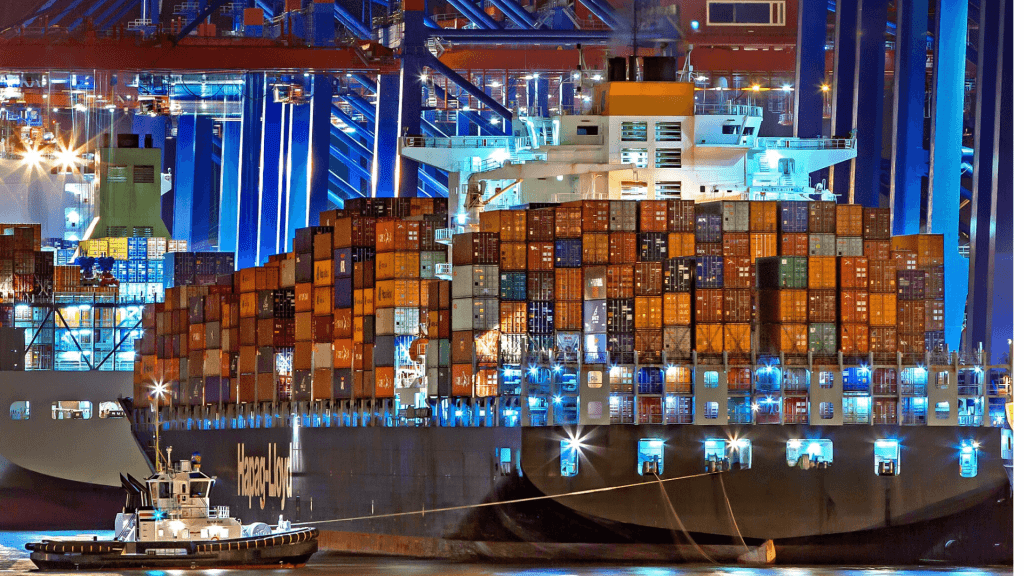
The Tailwinds (Opportunities to Seize)
- Game-Changing Tech Adoption: Technology is the great equaliser, allowing small businesses to punch well above their weight. Today, affordable cloud-based software gives you access to powerful tools that were once only available to massive corporations. For instance, real-time tracking provides complete visibility of your shipment from the factory to your door. Similarly, smart inventory management systems help you avoid stockouts and reduce storage costs, giving you a sharp competitive edge.
- Beneficial Free Trade Agreements (FTAs): Additionally, Australia has numerous Free Trade Agreements with key partners around the world. These agreements are designed to make trading easier and cheaper by reducing or eliminating tariffs on many goods. Tapping into these FTAs can significantly lower the landed cost of your imported products and make your exports much more competitive in overseas markets.
- The Power of Green Logistics: Moreover, sustainability is no longer just a buzzword; it’s a powerful business advantage. Modern Australian consumers are increasingly eco-conscious and actively choose to support brands that share their values. By investing in sustainable practices—such as using eco-friendly packaging, offsetting your carbon emissions, or choosing ethical suppliers—you can build a stronger brand reputation. This approach also helps you attract a loyal customer base that is willing to vote with their wallets.
Your Action Checklist: 5 Quick Wins to Improve Your Logistics NOW
Understanding the theory is one thing, but making real improvements to your business requires action. Information is only powerful when you use it. So, let’s move from theory to practice with five simple things you can do this week to strengthen your logistics operations.
1. Audit Your Freight Forwarder
Your freight forwarder is one of the most important partners your business has. They are your guide through the complex world of international shipping. A great forwarder saves you money and prevents problems; a bad one can cause them. It’s time to ask some direct questions:
- “Who is my dedicated point of contact, and how can I reach them in an emergency?” You need a person, not just a generic email address, who understands your business.
- “Can you provide a full breakdown of all potential charges?” A good forwarder will be transparent about all costs, including port fees, customs clearance, and local delivery, so there are no nasty surprises on your final invoice.
- “What is your advice for balancing cost and speed for my specific products right now?” Their answer will reveal their expertise and how proactively they are thinking about your business.
2. Understand Your Incoterms (Especially FOB)
“Incoterms” sounds technical, but it’s a simple concept. They are internationally recognised rules that define who is responsible for the goods at every step of the shipping journey. For most Australian importers, the most common term you’ll see is FOB (Free On Board).
In simple terms, FOB means your supplier’s responsibility ends once your goods are loaded on board the ship or plane at their end. From that moment on, you (and your freight forwarder) are responsible for the freight costs, insurance, and everything else until it reaches your door. Understanding this simple division of responsibility is the first step to truly controlling your shipping costs.
3. Map Your Supply Chain
Grab a whiteboard or a big piece of paper and literally draw your supply chain. Don’t just think about it—visualise it.
Start with your supplier and map out every single step: production, transport to the port, shipping. Then include customs clearance in Australia, transport to your warehouse, and the final delivery. At each step, ask yourself: “Where is the weakest link? Where could delays happen? Where do I lack information?” This simple exercise is the fastest way to identify the vulnerabilities you never knew you had.
4. Create a Contingency Plan
Things will eventually go wrong. A shipment will be delayed, a supplier will miss a deadline, or a port will get congested. Hope is not a strategy, but you need a “Plan B.”
Ask yourself: “What will we do if our main sea freight shipment is delayed by two weeks?” Your plan could be anything from holding a small amount of safety stock in Australia to having a backup air freight option ready for your most critical products. It also means having pre-written email templates ready to go. So you can communicate proactively and honestly with your customers about any delays.
5. Pick Up the Phone and Talk to Your Supplier
In an age of endless emails and messaging apps, we’ve forgotten the power of a simple conversation. A complex problem that could take a dozen emails to solve over three days can often be sorted out in a 10-minute phone call.
Building a real human relationship with your key suppliers is a massive competitive advantage. They will be more likely to prioritise your orders, help you solve problems, and keep you informed. Don’t hide behind your keyboard—a quick chat can work wonders.
Conclusion
As we’ve seen, the world of supply chain logistics can seem complex, but its goal is refreshingly simple: keeping the promise you make to your customers. It’s the hands-on, controllable part of your business that ensures your products arrive safely and on time, every time. When managed with expertise and care, it stops being a line-item cost and transforms into one of your greatest competitive advantages.
But mastering your supply chain logistics doesn’t mean you have to do it all alone. In fact, the single most important decision you can make is choosing the right partner to navigate this journey alongside you. A truly reliable and experienced logistics provider acts as an extension of your own team. They anticipate problems before they happen, offer proactive solutions, and genuinely care about your cargo as if it were their own. They understand that their success is tied directly to yours.
At GenFreight, we care about making supply chain logistics work for you. Finally, if you’re wondering how to strengthen your logistics strategy, why not start the conversation today? Contact GenFreight and let’s discuss how we could support your business in reaching its goals.