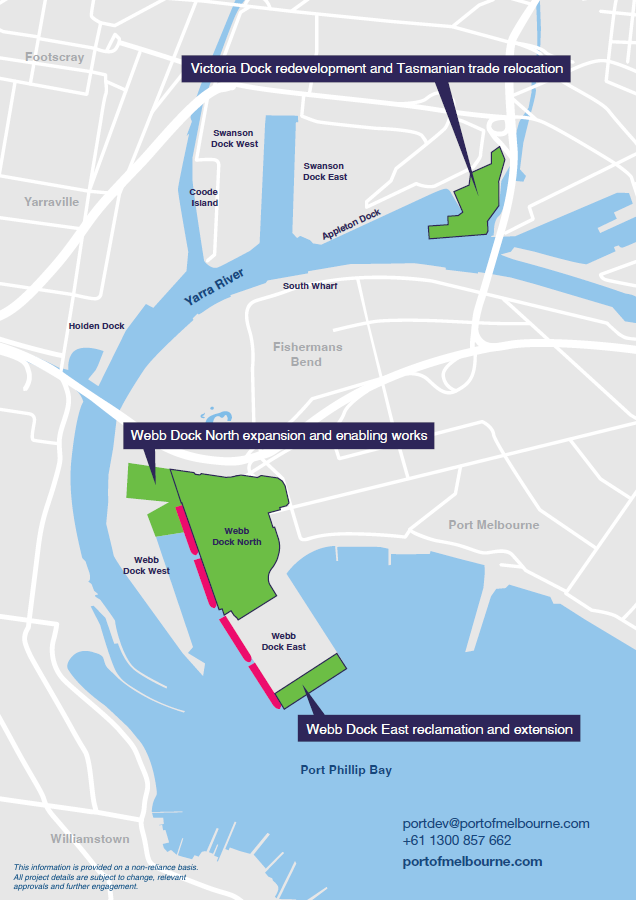
🏗️ 𝗠𝗲𝗹𝗯𝗼𝘂𝗿𝗻𝗲’𝘀 𝗣𝗿𝗼𝗽𝗼𝘀𝗲𝗱 𝗙𝗼𝘂𝗿𝘁𝗵 𝗖𝗼𝗻𝘁𝗮𝗶𝗻𝗲𝗿 𝗧𝗲𝗿𝗺𝗶𝗻𝗮𝗹 🏗️
𝗥𝗲𝗴𝘂𝗹𝗮𝘁𝗼𝗿 𝗦𝗲𝘁𝘀 𝗢𝘂𝘁 𝗜𝗻𝘃𝗲𝘀𝘁𝗺𝗲𝗻𝘁 𝗢𝘃𝗲𝗿𝘀𝗶𝗴𝗵𝘁 𝗥𝘂𝗹𝗲𝘀
Victoria’s Essential Services Commission (ESC) has released proposed rules for how it will scrutinise Port of Melbourne infrastructure spending, including the proposed fourth international container terminal. The framework is designed to ensure major projects are assessed before funds are committed and that any resulting increases in port charges are justified.
Under the proposed changes to the ESC’s Statement of Regulatory Approach, the commission will review major projects under the Port Capacity Enhancement Program before significant spending occurs. If a project is approved, Port of Melbourne may be permitted to recover its costs through higher regulated port charges.
The ESC’s oversight will cover:
• How project applications are assessed.
• What evidence and information Port of Melbourne must provide.
• How approved projects will be monitored after approval.
• How Port Capacity Enhancement Program costs may be included in port charges.
• What cost-related information the port must disclose.
The regulatory process also matters commercially. Port charges affect the cost of moving goods through Victoria, and the ESC has emphasised that clear rules and appropriate oversight are needed because those charges ultimately flow through supply chains.
This is a consultation on the regulatory process, not an approval of the fourth terminal. The ESC has made clear that the proposed guidance does not assess the Port Capacity Enhancement Program itself.
The commission expects Port of Melbourne to lodge an application relating to the Port Capacity Enhancement Project in 2027. At that point, the ESC will invite submissions and consult with port users, industry participants and other interested parties.
For the freight forwarding sector, the issue is not whether a fourth terminal is built, but how its costs are tested and recovered. Stronger pre-approval scrutiny could provide greater confidence that capacity investment is efficient, necessary and transparently funded.
If approved, the terminal could support future container growth and help manage capacity pressure. However, stakeholders will be watching closely to ensure that any higher port charges are proportionate to the benefits delivered and do not unnecessarily increase landed transport costs for Victorian businesses.
📸 and reference https://www.portofmelbourne.com/facilities-development/port-capacity-enhancement-program/