A recent joint operation in Sydney has pulled back the curtain on how illegal wildlife trafficking and financial crime often travel together; a timely reminder for anyone in freight, logistics or trade compliance that “clean cargo” checks go far beyond invoices and manifests.
In its first major operation, Australia’s newly formed National Environmental Protection Agency (National EPA), working alongside the Australian Federal Police and the NSW Department of Climate Change, Energy, the Environment and Water, disrupted an alleged Sydney-based wildlife trafficking ring.
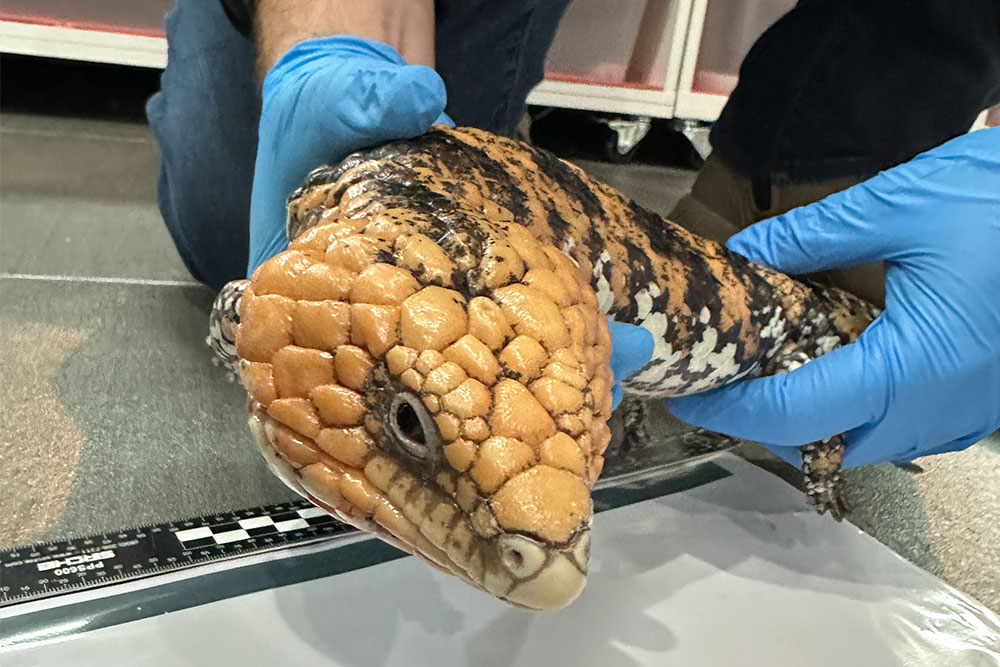
Investigators seized 36 reptiles, including North American hognose snakes, ball pythons, shingleback lizards, spiny-tailed skinks and lace monitors, along with more than 300,000 AUD in cash and gold and silver bullion.
One person has already been charged, and NEPA alleges the individual was sourcing and supplying native reptiles to foreign nationals for illegal export.
North American hognose snakes are not approved for import into Australia at all, and ball pythons are permitted only in narrow, non-commercial circumstances, which underscores how tightly Australia’s biosecurity and wildlife import rules are drawn. Penalties for breaching these Commonwealth laws are steep – up to 10 years in prison, fines of $364,000, or both, and NEPA head of Environmental Permitting and Compliance Dani Yannopoulos was explicit that the message is deterrence, “if you take part in the illegal wildlife trade, you risk serious penalties”.
For those of us moving cargo internationally, these cases are a sharp reminder that concealment tactics used for wildlife smuggling; false documentation, mislabelled consignments, cash-intensive trade financing, overlap heavily with the red flags compliance teams are trained to spot in ordinary freight movements.
Freight forwarders and customs brokers sit at a critical point in this chain: robust know-your-customer checks, permit verification for live animal shipments, and scrutiny of unusually high-value or high-cash transactions can help keep supply chains free of this kind of exposure. As NEPA ramps up activity in their first year of operation, expect increased scrutiny on air cargo and postal channels commonly used for smaller wildlife consignments.
📸 and reference https://www.nationalepa.gov.au/about/news/gold-and-reptiles-seized-wildlife-trafficking-investigation